

From overflowing bins to inefficient collection routes, cities face several challenges when managing growing volumes of waste. By combining artificial intelligence, connected sensors, and real-time monitoring, modern waste management systems are becoming more efficient, responsive, and easier to manage. Here’s how AI and IoT are reshaping urban waste collection.
Recall the last time you noticed overflowing garbage bins along a crowded street. More than likely, that area’s waste collection truck was planned to come by, just not at that particular time. Quickly, that one little timing issue creates quite the headache.
Today, one of the biggest challenges that cities face has to do with waste collection. Urban waste collection isn’t just sending a truck out to clean up garbage cans in the morning anymore. Modern urban centers produce large amounts of urban waste each day, and managing that waste smoothly has become more complex, rather than less complex. Population increase, congestion of traffic, rising gas prices, urban sprawl, and population shifts in how people generate waste are adding up to be major challenges for local governments and waste management providers everywhere.
At the same time, many cities continue to use traditional waste collection methods. You know, the ones built around fixed schedules, manual oversight, and operational updates that arrive late. The outcome usually shows up pretty clearly in daily city life, overflowing bins, delayed pickups, collection routes that waste time, extra fuel usage, and very limited visibility into what’s really happening on the ground.
So this is where AI and IoT, in urban waste collection, are starting to change how cities run these operations. What was once a mostly manual process is gradually becoming a smarter and more connected operational system designed to support cleaner, more efficient, and more manageable urban environments.
Why Traditional Waste Collection Systems Are Struggling
Most waste collection systems operating today were designed years ago for cities that were much smaller and far less complex than they are now. But urban environments have changed dramatically.
Cities are expanding rapidly, residential areas are becoming denser, commercial zones are generating larger amounts of waste, and public infrastructure is under constant pressure to operate more efficiently.
Despite these changes, many waste collection systems still follow outdated operational models.
Collection vehicles often follow predefined routes regardless of whether bins actually need servicing. Some areas may receive unnecessary collection visits while high-density zones experience overflowing bins long before the next scheduled pickup.
This creates inefficiencies across the entire operation.
Collection trucks spend more time on the road than necessary, fuel usage increases, workforce productivity becomes harder to manage, and operational costs continue rising.
Traffic congestion makes the situation even more difficult.
In large cities, waste collection vehicles can spend hours navigating crowded roads while trying to complete routes on time. Delays in one area can quickly affect collection efficiency across multiple zones.
Another major issue is lack of operational visibility.
Many municipalities still struggle to track:
- collection progress
- route completion
- workforce activity
- vehicle movement
- operational delays
- missed pickups in real time
Without centralized monitoring systems, supervisors often end up relying on manual check ins and complaints to spot trouble in the first place. And by the time someone actually reports an issue, service interruptions could already be messing with public cleanliness and daily operations.
Per the World Bank’s What a Waste report, world waste production is expected to keep climbing fast because of urbanization and shifting consumption habits. As cities get bigger, older waste collection methods are becoming harder and harder to expand without losing efficiency.
So municipalities are turning toward smarter, more interlinked operational setups.
Understanding AI and IoT in Urban Waste Collection
To grasp how newer waste systems are improving things, it helps to see how AI and IoT work side by side.
IoT , short for the Internet of Things, basically means connected devices that keep gathering and passing along performance signals in near real time.
In waste management, this might involve:
- smart waste bins
- GPS-enabled collection vehicles
- telematics systems
- fill-level sensors
- RFID tracking systems
- monitoring devices
These connected systems continuously provide information about what is happening across the waste collection network.
Artificial Intelligence then helps process and analyze this operational data.
Instead of simply displaying information on dashboards, AI systems can identify patterns, detect inefficiencies, monitor delays, optimize collection routes, and support operational decision-making much faster than traditional manual systems.
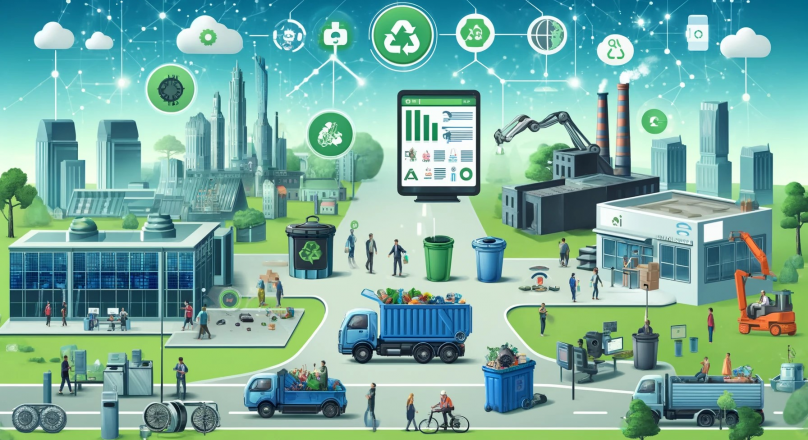
For example, AI systems can analyze:
- traffic conditions
- waste generation trends
- route performance
- collection demand
- vehicle efficiency
- operational bottlenecks,
This enables municipalities to make more informed operational choices based on current situations, rather than depending fully on rigid timetables and late, delayed reporting. Together, AI and IoT build a connected operational ecosystem where waste collection becomes easier to track, tune, and run at a large scale, instead of just hoping the schedule matches reality.
Smart Waste Bins Are Improving Collection Efficiency
One of the clearest examples of smart waste management solutions is the deployment of sensor-enabled bins. Traditional collection systems usually stick to fixed schedules. Yet, in practice, waste creation is never truly predictable.
For instance, a commercial district may produce big volumes during business hours, while residential zones might follow a very different rhythm. Public areas, transport hubs, and event venues can see rapid surges in waste generation within a few short hours. Static collection schedules simply do not adjust well enough to these continuously shifting conditions.
Through the use of sensors, smart bins monitor current levels of waste in the bins in real-time. When a smart bin is nearing its maximum fill level, alerts are sent via the smart bin system to the operations teams to let them know to pick up as needed during their routes, instead of just being picked up based on a schedule. This allows for better efficiency and transformation of the entire collection process.
Instead of sending collection trucks out for unnecessary pickups, collection teams can now concentrate on locations needing immediate service.
This will cause a reduction in the following areas:
- wasted trips
- fuel usage
- overflow
- delays in collection
- unnecessary operational travel
For municipalities that deal with a large urban waste system, any improvement to collection planning can create exponential benefits over time to any entity operating an urban waste collection system. Smart bins will also create a more sanitary public environment by reducing overflow occurrences that affect public sanitation and city environments.
As cities continue to upgrade their infrastructure, smart bins are becoming an ever-important component of urban waste management systems.
AI-Based Waste Collection Systems and Smarter Route Planning
Route optimization is one of the areas where AI is creating some of the biggest operational improvements.
Waste collection vehicles operate across large urban areas every day while dealing with:
- traffic congestion
- route overlaps
- changing waste volumes
- road closures
- collection delays
- inefficient sequencing
Without optimization, collection operations quickly become expensive and inefficient.
An AI-based waste collection system continuously analyzes operational data to improve route planning dynamically.
Instead of following the same predefined collection route every day, AI systems can adjust routes based on real-time conditions such as:
- traffic movement
- collection urgency
- waste levels
- vehicle locations
- operational bottlenecks
For example, if one part of the city generates more waste than expected, collection resources can be redirected there immediately. Similarly, if traffic slows operations on one route, alternate sequencing can help reduce delays.
This creates measurable operational improvements.
Smarter route optimization helps municipalities:
- reduce fuel consumption
- improve vehicle utilization
- minimize idle time
- lower operational costs
- complete collection cycles more efficiently
According to operational fleet studies, inefficient route planning can significantly increase transportation expenses in urban operations. The cost of waste management is heavily affected by both the transportation of waste and the collection of waste, so it is essential to improve the efficiency of daily waste collection routes in order for operations to remain viable going forward.
Waste Collection Automation Using AI and IoT
AI-enhanced route optimization will yield a considerable amount of savings over time for municipalities with large-truck fleets.
The use of waste collection automation using AI and IoT will also reduce the tremendous amount of stress on managers who are responsible for the daily collection of waste in large cities.
This is why municipalities are now turning to the use of automated systems for their collection operations as a way of improving and streamlining extremely repetitive tasks that have typically required extensive manual oversight.
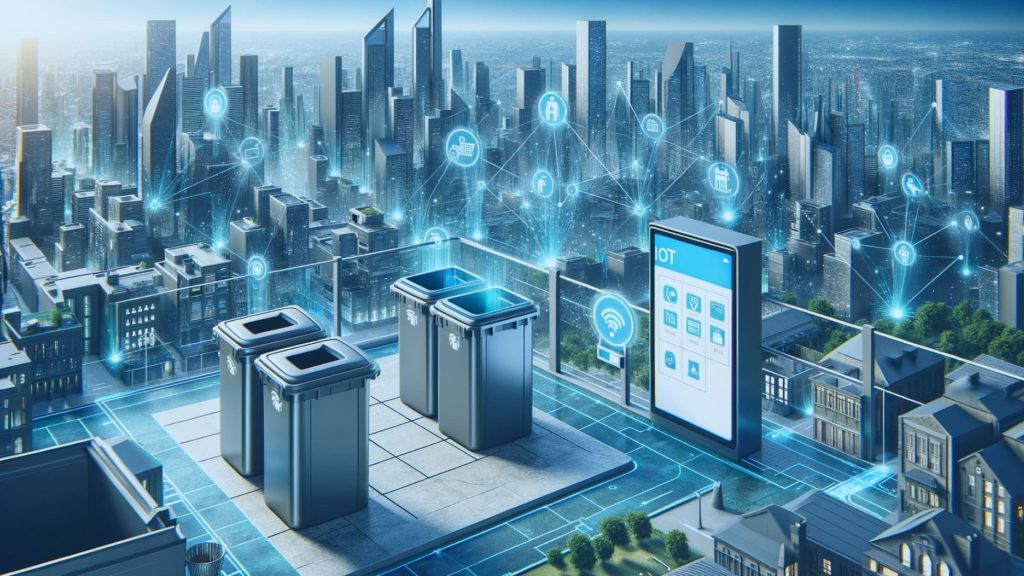
Connected systems can automate:
- route scheduling
- collection alerts
- operational reporting
- service verification
- vehicle tracking
- maintenance notifications
- collection status updates
Instead of depending entirely on manual coordination, operations teams receive automated updates continuously through connected systems.
This helps with operational quickness while cutting back on how much they need manual, reporting processes. Automation also tends to boost data accuracy because the operational information gets pulled straight from connected devices, rather than depending only on those manual updates and such.
For bigger cities that run extensive waste collection routes day after day, automation makes the whole thing feel more manageable, and it can actually scale better over time, instead of breaking at the edges.
AI-Driven Smart Cities Are Putting Money Into Smarter Waste Systems
Waste management is turning into a more and more important piece of smart city infrastructure building. Nowadays, modern cities are pouring significant resources into connected setups that help with transportation, utilities, traffic monitoring , public safety, and general urban operations. And of course, waste collection is starting to fit naturally into that wider digital ecosystem too.
AI-driven smart cities use connected technologies and centralized operational platforms to improve visibility and coordination across public services.
In waste management, this includes:
- GPS-enabled vehicles
- IoT-based monitoring systems
- centralized dashboards
- AI-powered analytics
- connected field operations
A few municipalities are also looking into AI-powered waste collection systems in India, especially via smart city initiatives and urban modernization agendas. Meanwhile, Indian cities are dealing with bigger day-to-day operational pressure, mainly because of fast urban growth, higher population density, and bigger infrastructure requirements.
In many cases, the old collection methods simply can’t stay on par with these operational needs in an efficient way, or at least not consistently. Because of that, municipalities are starting to put more money into technologies that make it easier to:
- operational visibility
- route optimization
- collection planning
- workforce coordination
- service efficiency
Connected waste systems are expected to become far more common as cities continue modernizing infrastructure across India and other rapidly growing urban regions.
Challenges in Adopting AI and IoT Waste Systems
While connected waste systems do provide several advantages, the implementation also presents challenges that aren’t always obvious. Municipalities usually end up dealing with a pile of things like infrastructure investment , IoT deployment , workforce training, system integration, operational digitization, and long-term maintenance planning. For many cities, switching from traditional waste operations to connected systems tends to happen gradually rather than all at once.
That’s why success often depends on how well you balance technology uptake with operational readiness, plus the bigger infrastructure planning targets that sit in the background. Still, as AI and IoT technologies keep becoming more widely accessible, the adoption barriers are slowly lowering across the waste management sector too.
Final Thoughts
Urban waste collection is getting a lot more complex, as cities keep getting bigger and operational demands rise, every single year, kind of. Old-style systems built on manual supervision and those fixed schedules alone really don’t cut it anymore, not when you need to run modern waste operations efficiently at scale.
This is basically where AI plus IoT for Urban Waste Collection steps in , helping cities gain better visibility, improve the way they route and coordinate, cut down wasted time and other inefficiencies, and honestly build more intelligent waste management systems.
You see it in smart bins, and in AI-led route optimization too, plus automated reporting alongside real-time operational tracking, and those connected devices are slowly changing how municipalities handle waste collection day by day.
And as urban infrastructure keeps evolving , AI-powered waste collection systems will matter even more, helping cities stay cleaner, run smoother, and support more sustainable urban living overall.
If you are looking for software that helps you track and facilitate the waste collection services contact us at Convexicon. We offer the best solutions according to your requirements.
FAQ:-
What is AI and IoT in urban waste collection?
AI and IoT in urban waste collection kinda mean the use of connected tech stuff, sensors, monitoring systems, and artificial intelligence to make the way cities handle waste collection work better. In general, these tools let municipalities see waste levels, watch vehicles, improve routes, and increase operational efficiency in real time, not just “after the fact” once something goes wrong.
How do smart waste bins improve waste collection?
Smart waste bins use sensors to measure how full they are continuously. When the bins start getting close to capacity , alerts are sent automatically to the operations team so collection schedules can be set based on actual need, not on some fixed timing. This reduces overflowing bins and also cuts down unnecessary collection rides. In the end, it helps prevent operational delays too.
What are AI-based waste collection systems?
AI-based waste collection systems use operational information along with artificial intelligence. They assist with route planning, monitor what’s happening during collections, find inefficiencies, and support better decision-making. So basically, cities can run waste collection with more control while using less fuel and paying less for operations.
How does IoT improve urban waste management solutions?
IoT devices gather and share real-time operational data. That can come from waste bins, GPS-enabled vehicles, different sensors, and monitoring infrastructure. Operators can then follow collection activities, improve coordination, and get clearer visibility across the entire waste management workflow.
Can AI help optimize waste collection routes?
Yes. AI systems can study traffic conditions, waste generation trends, vehicle movement, and the collection demand. Then they adjust route planning dynamically. This typically reduces fuel use, minimizes pointless travel, and improves collection around the city.