

Collecting waste is no longer the only goal for modern cities. Today, municipal authorities are expected to track the A to Z of the process. The waste collectors need to monitor three things, which include the collection time, the actual pickup time, and the waste collection route. Simply completing collection rounds is not enough anymore.
This shift in expectations is pushing cities toward smarter systems like Waste Management Fleet Tracking. When combined with RFID technology, it gives municipal teams something they’ve always struggled with, complete visibility.
RFID tells you what was collected. Fleet tracking provides an overview of work performance. Both create a waste collection system that enables daily assessment, monitoring, and performance enhancement.
Why Waste Collection Needs More Than Just Monitoring
Waste management systems have dedicated their resources to collection work since their inception. The work was completed when workers collected trash from the containers. The actual operations that take place behind the scenes exceed all expectations.
Municipal authorities often face questions like:
- Did the vehicle follow the assigned route?
- Was any area skipped or delayed?
- How long did each stop take?
- Are drivers operating vehicles efficiently?
Even with an rfid based waste management system, which confirms that a bin was collected, these questions remain unanswered.
That’s where Waste Management Vehicle Tracking becomes essential. It fills the gaps that RFID alone cannot address.
RFID + Fleet Tracking = Complete Visibility
Think of RFID and fleet tracking as two parts of the same system.
- RFID confirms that waste was collected
- Fleet tracking shows how the collection happened
When used together, they provide a complete picture of waste management operations.
Municipal teams can now see:
- Which bins were collected
- The exact time of collection
- The route taken by the vehicle
- Whether the driver followed the assigned path
- Any delays or route deviations
This combination creates a more reliable system for Door-to-door garbage collection vehicle tracking systems, where every step of the process is visible and verifiable.
What Is Waste Management Fleet Tracking?
It refers to the use of GPS and telematics technology to monitor waste collection vehicles in real time.
It allows municipal authorities to track:
- Vehicle location at any given moment
- Movement history and routes
- Speed and driving patterns
- Idle time and fuel usage
The system functions without human input because it continuously collects data, which shows information in real time through its digital dashboard.
The integration of RFID waste management systems with fleet tracking systems creates a more effective tracking system for waste collection operations. The system connects collection data with vehicle movement, which enables waste operations to be managed through a single platform.
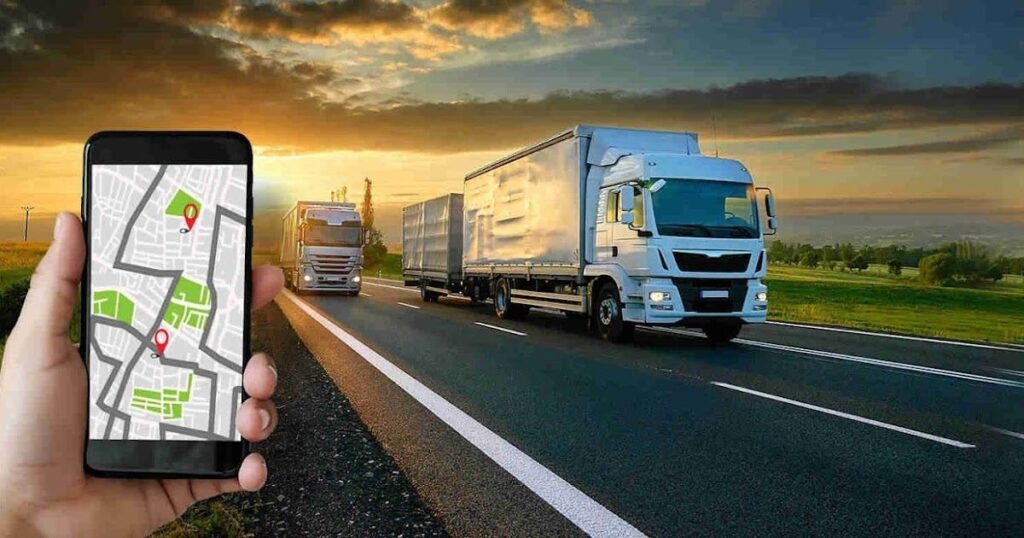
How RFID technology and fleet tracking Work
The combination of RFID technology and fleet tracking technology enables organizations to implement an effective monitoring system. The system components work together to provide complete operational support.
1. RFID Identifies the Collection Point
An RFID chip is used to tag every waste bin and residential building. The tag functions as a digital identification device that verifies the location of that specific area.
2. Vehicle Tracking Monitors Movement
Waste collection vehicles are equipped with GPS tracking systems. The systems track all vehicle movements by monitoring their location throughout the entire time period.
3. Pickup Is Automatically Recorded
When a bin is lifted, the RFID reader scans the tag. At the same time, the GPS system logs the vehicle’s position.
This creates a complete record of:
- Where the pickup happened?
- When it happened?
- Which vehicle handled it?
4. Data Is Synced to a Dashboard
All information is sent to a central platform. Supervisors can view collection activity and vehicle movement in one place.
5. Performance Can Be Reviewed Instantly
Municipal teams can quickly identify:
- Missed locations
- Route deviations
- Delays in collection
- Inefficient driving patterns
This is what makes Waste Management Fleet Tracking such a valuable tool for improving operations.
What Municipalities Can Monitor in Real Time
With solutions like telematics and GPS systems, municipal authorities gain access to insights. These were previously difficult to track.
They can monitor:
- Real-time vehicle location
Know exactly where each collection vehicle is at any moment - Route adherence
Check whether drivers are following assigned routes - Driver behavior
Monitor speed, braking, and driving patterns - Operational efficiency
Identify delays, idle time, and unnecessary stops - Vehicle health and maintenance
Get alerts when maintenance is required
These capabilities strengthen Waste Management Vehicle Tracking. It allows municipalities to run more efficient waste collection operations.
Key Benefits of RFID and Fleet Tracking Integration
When RFID and fleet tracking work together, the benefits go beyond simple monitoring.
Full Operational Visibility
Municipal authorities can see both collection activity and vehicle movement in one system. This removes guesswork from daily operations.
Stronger Route Discipline
Drivers are more likely to follow assigned routes when their movement is tracked. This improves consistency in service delivery.
Better Door-to-Door Monitoring
Integrated systems enhance Door-to-door garbage collection vehicle tracking systems, ensuring that every household is covered.
Reduced Fuel and Time Wastage
Route optimization and tracking help reduce unnecessary travel and idle time.
Improved Accountability
Digital records enable organizations to identify problem locations, which they can use to implement their solutions.
Smarter Decision-Making
Waste Management Fleet Tracking systems deliver data to municipalities, which helps them plan the routes while their operational efficiency improves.
Real Impact on Waste Management Operations
The shift toward integrated tracking systems is already changing how cities manage sanitation.For example cities like Pune have adapted these technologies to improve the waste collection process.
With better visibility:
- Missed pickups can be identified quickly
- Complaints can be resolved faster
- Routes can be adjusted based on real data
- Supervisors can manage operations more effectively
Over time, these improvements lead to cleaner streets, better service consistency, and higher public satisfaction.
The Road Ahead for Smart Waste Systems
Cities require advanced waste management methods because their growth makes traditional waste management methods unworkable. Municipal teams need to move beyond waste collection tasks because their new responsibilities include monitoring, assessment, and system efficiency advancements.
Digital tools, including RFID and fleet tracking technology, create substantial operational benefits for organizations. The system provides operational support while creating an infrastructure that organizations can efficiently track, control, and expand throughout their operations.
The integration of an RFID-based waste management system with waste management fleet tracking systems establishes a unified system that enables users to monitor both waste collection and waste transportation activities. Municipal authorities can observe ground activities through direct visual observation without needing to rely on comprehensive manual reporting systems.
The approach enables cities to progress toward these objectives:
- Organizations make better decisions when they use actual operational data.
- Urban areas become cleaner and more organized through regular service maintenance.
- Organizations achieve optimal outcomes through their vehicle, fuel, and workforce allocations.
- Organizations can respond to collection delays and service interruptions with better efficiency.
Waste management operations will develop into a modern system when cities implement these systems because they will introduce precise monitoring and data analysis capabilities. The team needs to develop collection methods that provide reliability and efficiency and enable future enhancements.
Conclusion
Waste management operations now extend beyond their function of garbage collection. The complete operational system needs to be studied, which involves tracking performance from the initial pickup to the final execution of routes and implementing continuous system improvements.
The municipal corporations can develop a system that achieves transparent operations through Waste Management Fleet Tracking and RFID technology. The system enables authority personnel to conduct real-time operational monitoring while they enhance meter accuracy and maintain steady service standards.
If you’re looking to bring complete visibility to your waste collection operations, now is the time to adopt a system that goes beyond basic monitoring. Your city will experience improved sanitation services when you implement RFID technology together with fleet tracking systems. To know more contact us at: +91 8800443333
FAQ :
RFID technology enables waste management systems to operate through RFID systems, which use tags attached to waste containers. The waste collection system uses rfid tags. The collectors scan these tags to document the time and location.
What is the full form of RFID?
RFID stands for Radio Frequency Identification. It functions as a waste management technology for tracking waste bins and digital monitoring of collection operations.
How does smart waste management work?
Smart waste management uses an RFID waste management system together with Waste Management Fleet Tracking to observe waste collection activities while tracking vehicle movements and assessing operational performance throughout the day.
What is Waste Management Fleet Tracking?
Waste Management Fleet Tracking employs GPS technology for monitoring waste collection vehicles while tracking their routes and enhancing door-to-door garbage collection vehicle monitoring systems.