

The primary service that municipal corporations provide to their communities comes through waste collection. Daily, sanitation workers move through different residential areas. They gather waste materials from residential homes, business locations, and outdoor public areas. Cities maintain their clean and orderly condition through the proper functioning of this system. The system produces immediate results that people can observe when it stops functioning.
Waste management in an expanding city presents numerous difficulties for municipal authorities. The municipal teams need to manage their operations by using multiple vehicles together. The authorities need to provide waste collection services to all households and need to monitor all operational activities. Managing extensive operations through manual systems presents significant operational difficulties.
Cities are moving toward technology solutions. Something that solves their existing problems. The RFID based municipal solid waste management solution helps municipal corporations track waste collection activities through digital systems. The combination of RFID technology with monitoring platforms enables sanitation departments to confirm their daily waste collection activities while enhancing service reach and developing precise operational records.
Digital monitoring systems enable municipalities to build better systems for tracking door-to-door waste collection. It helps with complete coverage of sanitation services throughout municipal areas.
The Growing Need for Smarter Waste Monitoring
The expansion of urban areas results in increased waste production, which municipal sanitation departments must manage through their collection duties.
A standard city requires waste collection to proceed with the following steps.
- Multiple collection vehicles operating across different wards
- Sanitation workers covering hundreds of streets and residential areas
- Thousands of households requiring daily or regular waste pickup
- Supervisors monitoring the progress of collection routes
Without proper monitoring systems, it becomes difficult for municipal authorities to confirm whether each collection point has been serviced. Even when routes are planned carefully, missed pickups may still occur.
Because of this, municipal corporations are increasingly focusing on technology-based door to door waste collection monitoring systems. Something like a RFID waste management system that improves service verification and operational transparency.
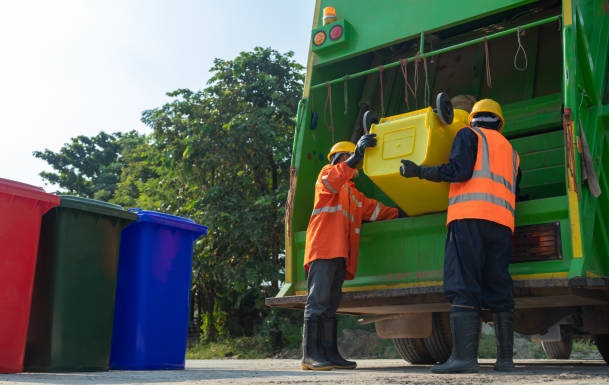
What Is an RFID Waste Management System?
This waste management system uses radio frequency identification technology to track waste bins and monitor collection activities.
The system works through a combination of digital components:
- RFID tags attached to waste bins or assigned to households
- The readers installed on waste collection vehicles
- Central monitoring software that records and stores collection data
Each RFID tag carries a unique identification number. When the waste collection vehicle lifts the bin during pickup, the reader scans the tag automatically.
The system then records key details such as:
- Location of the bin or household
- Time of waste collection
- Vehicle performing the collection
- Route information
This data is sent to a central platform where municipal supervisors can review waste collection activities. By using an RFID Based Municipal Solid Waste Management solution, cities gain a reliable way to track sanitation operations.
How RFID Technology Supports Waste Collection Operations
The integration of this technology into municipal waste management systems improves how sanitation services are monitored and managed. Once the system is installed, most tracking happens automatically during regular waste collection activities.
1. RFID Tags Assigned to Collection Points
Waste bins or households are fitted with RFID tags. Each tag acts as a digital identity that represents a specific location in the municipal waste network.
2. RFID Readers Installed on Collection Vehicles
Waste collection vehicles are equipped with RFID readers. These are capable of detecting nearby tags. The readers are typically installed near the bin lifting mechanism.
3. Automatic Scan When Collecting Waste
When sanitation personnel arrive at a residence or waste collection site, the RFID-enabled HH tag can be scanned in 2 real-world scenarios.
The vehicle-mounted RFID reader automatically records the tag at the time of waste collection. The driver or helper may manually scan the HH tags with a hand-held reader.
These scanning options are especially helpful in narrow streets, gated communities, or wherever the collection vehicle cannot be positioned close enough to the residence.
The HH tags can be read from up to a certain distance, enabling the driver or helper to verify the waste collected without requiring physical contact. This increases the speed, accuracy, and flexibility of daily collection activities.
The system captures:
- Household or bin ID number
- Date and time of collection
- Vehicle information
- The route’s location
- Handheld scan confirmation
This write-up strengthens the blog by providing a description of how the system functions in practice.

4. Data Stored in a Monitoring Platform
The collected data is transmitted to a central monitoring platform. It is stored and organized keeping track for daily pickup. Municipal authorities can access this information through digital dashboards.
5. Supervisors Review Collection Progress
Through the monitoring dashboard, supervisors can track daily waste collection operations. They can quickly identify which routes have been completed and which areas may require attention.
The citywide garbage collection system needs this process because it helps to monitor garbage collection operations. It helps maintain continuous sanitation services throughout the entire city.
Key Benefits of RFID-Based Waste Management Solutions
Municipal corporations can gain multiple operational benefits by implementing an RFID Based Municipal Solid Waste Management system.
Improved Monitoring of Waste Collection
RFID systems create digital records for each pickup. Municipal authorities can confirm that waste collection routes have been completed as scheduled.
Better Accountability for Collection Teams
Because collection activities are recorded digitally, supervisors can easily identify missed pickups or incomplete routes.
Data for Smarter Planning
The RFID waste management system provides municipalities with data which enables them to study waste generation patterns and optimize their waste collection routes.
Reliable Door-to-Door Monitoring
Digital tracking strengthens door-to-door waste collection monitoring. It ensures that households receive their waste collection services without interruption.
Increased Transparency in Sanitation Operations
Digital records allow municipal authorities to review collection activities whenever necessary, improving transparency and operational clarity.
Notable Examples of RFID Waste Management in Indian Cities
As the technology is seeping into different operations waste collection management is one of them. Several municipalities in India have already adopted RFID technology. It helps them to improve municipal waste management.
Navi Mumbai
The first city to use RFID technology for waste management operations was Navi Mumbai. The municipal corporation implemented RFID tagging for waste bins across different wards.
The system tracks over 12000 waste containers to assist authorities in monitoring waste collection and improving waste segregation methods.
Gurugram and Manesar
The municipal authorities of Gurugram and Manesar have introduced large-scale RFID tracking for sanitation services. RFID tags have been installed across hundreds of thousands of households.
This system helps municipal teams monitor waste collection more effectively and maintain transparency in sanitation operations.
Ranchi
Ranchi has also adopted RFID technology as part of its waste management program. The city introduced RFID smart cards for households to track waste collection services.
The system is being implemented for around 2.7 lakh households, helping municipal authorities monitor sanitation coverage more accurately.
Rohtak
Rohtak has also transformed waste collection through the use of RFID tagging. Approximately 150,000 houses have been included in a large-scale implementation of this technology. Our services have enhanced visibility and service verification for households.
The HH tags, handheld readers, and vehicle tracking have all been helping in providing better records of waste collection. It is leading to an increase in overall sanitation coverage throughout the city.
Conclusion
As cities grow and waste production rises, municipal corporations need to implement advanced systems that will enable them to handle sanitary operations properly. The implementation of technology-based systems, which include RFID technology, will enable organizations to achieve better operational results through improved monitoring capabilities.
The municipal solid waste management system, which uses RFID technology, enables municipal authorities to monitor waste collection operations while they enhance their route optimization procedures and increase their service accountability standards.
An enhanced waste collection monitoring system tracks household waste collection activities, resulting in improved sanitation outcomes. The door-to-door tracking system enables complete area coverage during waste collection operations. Cities achieve cleaner surroundings and dependable sanitation services through the integration of authentic data from their RFID waste management systems. If you are someone looking for a technological upgrade in your waste collection management contact us now at: +91 8800443333.
FAQ :
What is an RFID-based municipal solid waste management solution?
The RFID-based Municipal Solid Waste Management solution operates through its RFID system, which enables waste tracking and collection control in waste management facilities. The system enables municipal corporations to confirm the actual completion of waste collection services according to their scheduled timeframes.
How does an RFID waste management system work?
The waste management system uses RFID technology to track waste disposal through RFID tag attachment to waste bins and residential areas. The waste collection vehicle records pickup information from the RFID system when it lifts the waste bin.
Why is door-to-door waste collection monitoring important?
The waste collection system needs to monitor each household because it provides necessary tracking for waste collection services. The system enables municipal authorities to verify that sanitation teams have completed their work in all designated areas.
Which Indian cities use RFID waste management systems?
The cities of Navi Mumbai and Gurugram and Manesar and Ranchi have adopted RFID technology. This has helped them a lot with managing their waste disposal operations.
What benefits does RFID technology bring to the process of municipal waste management?
The waste management process uses RFID technology to develop digital records that track the entire waste collection process. This allows municipalities to monitor their waste collection routes while they enhance operational efficiency and maintain their service standards.