

Efficient waste collection depends on more than just having enough garbage collection vehicles. Municipalities also need some kind of whole view into where their vehicles are , if the collection routes are being followed, and how smoothly the fleet is actually running. Waste management vehicle tracking helps get to that through real-time GPS monitoring, route optimisation, and performance insights, so waste management agencies can lower costs while still tightening up service delivery.
The challenge keeps getting bigger each year. The World Bank’s What a Waste 3.0 report notes that the world generated 2.56 billion tonnes of municipal solid waste in 2022, with a projection of 3.86 billion tonnes by 2050. So, as waste volumes keep rising, municipalities need to improve collection efficiency without significantly increasing operational expenses.
Historically, many waste collection fleets leaned on manual reporting, driver check-ins, or end-of-day logs to understand daily operations. Sure, those approaches provide basic updates, but they don’t offer full transparency into what happens once a vehicle leaves the depot. Questions like these often stay unanswered until after the day is done :
- Did every vehicle complete its assigned route?
- Which vehicles spent the most time idling?
- Were unnecessary detours taken during collection?
- Why did fuel consumption increase this week?
- Which areas experienced repeated missed collections?
Without accurate operational data, pinning down these issues becomes kinda reactive instead of truly proactive.
In this article, we’ll look into how waste management vehicle tracking works, which day-to-day operational challenges it handles, and why it’s become such an important instrument for municipalities trying to streamline waste collection while also trimming operational costs.
Quick Answer
A waste management fleet tracking system kind of uses GPS tech plus telematics, together with a fleet management software suite, to keep an eye on garbage collection trucks in real time. It lets municipalities see where the vehicles are, confirm collection routes properly, keep tabs on fuel consumption, cut down on idle time, refine maintenance planning, and also make sure the waste pickup is done in a timely way. With this full visibility into day-to-day fleet operations, GPS tracking for waste services can help lower operational costs and, at the same time, improve the overall service quality.
Why Managing Waste Collection Fleets Is More Challenging Than It Looks
Waste collection is one of the more resource-intensive kinds of services that municipal corporations run. It is not really “fixed” public infrastructure, because the collection vehicles are always in motion, drifting across neighbourhoods, working around shifting traffic conditions, and sticking to collection schedules that rarely stay the same for long.
On paper it looks kinda simple: a vehicle leaves the depot, drives along a route, picks up waste, then unloads it at a transfer station or a processing facility. But in real life, day-to-day work gets shaped by a bunch of unpredictable factors, and they show up faster than anyone expects.
Traffic congestion, especially during peak hours, can drag operations out and delay a truck for reasons that are hard to foresee. Road closures or construction work might force sudden rerouting, and then a “simple” route becomes something else entirely. Sometimes vehicles end up just waiting at transfer stations because the queue is taking too long. And if a mechanical problem shows up, the driver may have no choice but to abandon the planned route altogether.
Many municipalities also depend on contractor-operated fleets, so it becomes harder to know if the promised service levels are actually being met. Without digital tracking, checking whether routes were truly completed often depends on manual paperwork or driver updates, which can be a bit slow and, in practice, can include inaccuracies.
As fleets grow, these headaches stack up. Even small inefficiencies, like an extra 20 minutes of idling or a couple of unnecessary kilometres driven each day, can pile into bigger expenses: more fuel costs, added vehicle wear and tear, overtime charges, and reduced availability of the fleet overall.
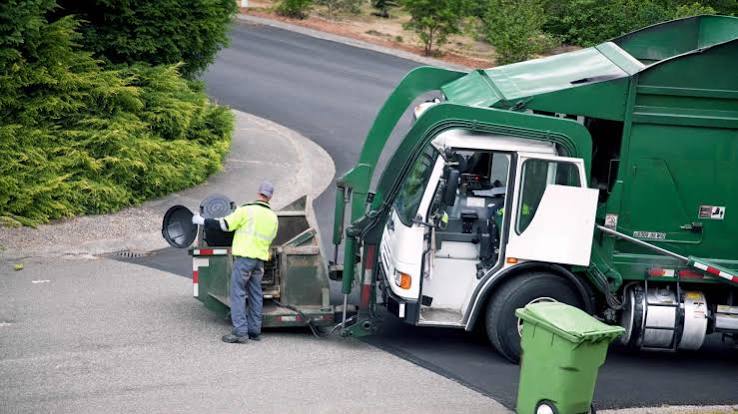
Why Fleet Visibility Matters More Than Fleet Size
When municipal offices get complaints about delayed or missed waste collection, the first thought is usually that more garbage collection vehicles should be brought in. But yeah, even if it looks like the easy fix, adding a fleet doesn’t always deal with the real reason things go wrong.
A lot of times the problem is that the existing vehicles are not being used cleanly, or let’s say not efficiently enough.
Like, imagine one pickup vehicle finishes its assigned route early, and then another one is stuck later, mainly due to traffic congestion, long idling periods, or random route deviations. If there is no vehicle tracking system, then supervisors end up with very limited insight into what is happening, and they just can’t adjust operations quickly when delays start stacking up.
That’s where waste management vehicle tracking in India becomes useful in the real world.
With real-time GPS monitoring, supervisors can see how each vehicle is running through the day. They are able to spot delays, confirm route completion, check idle time, and even analyse travel history without waiting for clunky, manual summaries. Instead of relying on assumptions and guesswork, municipalities can work with dependable operational data, so route planning gets better, vehicles are allocated more smartly, and those unnecessary operating expenses can be lowered.
And for cities trying to build smarter sanitation systems, boosting fleet visibility often brings more practical results than just putting additional vehicles on the road and hoping for the best.
How Does a Waste Management Fleet Tracking System Work?
A waste management fleet tracking system sorta blends GPS technology with telematics and cloud software so you can get near real-time eyes on every waste collection truck. Rather than depending on the usual manual check-ins from drivers, or paper-based trip records that get misplaced, fleet managers can watch everything from one dashboard, kind of like a control room.
It starts when a GPS tracking device is installed inside each garbage collection vehicle. As the vehicle rolls along its assigned route, the device keeps pushing location signals to a central platform. Then fleet managers can observe where the vehicles are, see how far along they are on the route, review past travel patterns, and even get warnings if the vehicle strays off the planned path or hangs around idle for too long.
A lot of newer setups also roll in extras like sensors, mobile applications, RFID tags, or QR code household scanning solutions. That combination ends up creating a pretty full digital log of what happened during waste collection, from the moment the vehicle leaves the depot, all the way to when the waste arrives at the transfer station or processing facility.
Over time, that operational information helps municipalities spot inefficiencies, tune route planning, and make smarter choices based on actual fleet performance, not just guesses or assumptions.
Where Municipalities Save the Most Money
The biggest upside of waste management vehicle tracking isn’t just a matter of “where” the trucks are. The real payback is more sort of sneaky… it shows up when you spot little day-to-day operational inefficiencies that quietly build up into higher costs over time.
Lower Fuel Consumption
Fuel is one of the heavier expenses in municipal waste collection. Even slight changes to daily travel distance, or some extra idling while waiting, can noticeably affect yearly operating costs.
With waste management GPS tracking, fleet managers can see things like route deviations, prolonged excessive idle time, plus unauthorised vehicle movement. Then they can tune up routes, cut down on needless driving, and boost fuel efficiency for the whole fleet, not just one vehicle.
Better Route Planning
Collection routes often have to shift because of road closures, traffic congestion, seasonal patterns in waste generation, or even growing residential zones nearby.
Fleet tracking gives historical route data that helps pinpoint delays and recurring chokepoints. Instead of sticking rigidly to fixed collection timetables, municipalities can redesign routes using what actually happened on the ground, so travel time drops while service coverage improves too.
Reduced Vehicle Downtime
Breakdowns are disruptive, and they don’t only raise repair bills; they also interrupt waste collection when it matters most.
A lot of waste management fleet tracking systems track mileage, engine hours, and overall vehicle utilisation. That kind of visibility lets maintenance teams schedule servicing earlier, before a small mechanical problem grows teeth. Preventive maintenance means vehicles stay out there longer and there’s less of that unexpected downtime.
Improved Accountability
Running contractor-operated fleets is kind of tough when the collection work is checked manually, like, over and over again.
With garbage vehicle tracking, each trip gets recorded digitally. Supervisors can confirm if vehicles finished the assigned routes, look into travel history, and sort out citizen complaints using real GPS information instead of only depending on driver statements.
This results in more transparency for municipal authorities as well as service providers; not that everyone agrees on everything, but you know.
Conclusion:-
Running a waste collection fleet is really not just about sending vehicles out and back again. For municipalities, it’s more like making sure each route actually gets finished, resources don’t get wasted, operational spend stays reasonable, and service expectations keep rising, even when things get complicated.
A waste management fleet tracking system gives that missing sightline. With live visibility on vehicle movement, tighter control of avoidable fuel usage, smarter route planning, and preventive maintenance support, it makes it easier to take solid operational decisions day after day, instead of guessing.
And since city populations keep growing, putting money into waste management vehicle tracking is becoming a practical step toward building systems that are more “intelligent”, more efficient, and more accountable, for everyone involved.
The Convexicon waste management fleet tracking system supports municipalities and waste management companies by tracking vehicle movement in real time, optimising pickup routes, cutting fuel expenses, and strengthening overall fleet performance, all through one digital platform. To know more contact us at: +91 8800443333
Frequently Asked Questions :-
1. What is waste management vehicle tracking?
Waste management vehicle tracking is a GPS-based system that tracks garbage collection vehicles, more or less in real time. It allows municipalities to watch routes, gauge fleet performance, and generally improve day-to-day operational efficiency more smoothly.
2. How does a waste management fleet tracking system work?
A waste management fleet tracking system basically uses GPS devices, telematics, and cloud software together. This helps in monitoring vehicle locations, route history, idle time, and the overall fleet performance, all from one central dashboard.
3. What are the benefits of waste management GPS tracking?
Waste management GPS tracking helps lower fuel use, optimise collection routes, improve vehicle utilisation, keep an eye on driver activity, and even support preventive maintenance. It’s like a quiet assistant for the fleet.
4. Why is waste management vehicle tracking important in India?
Because urban populations are growing, and waste generation is rising too. In India, waste management vehicle tracking helps municipalities improve service reliability, reduce operating costs, and strengthen accountability, not just in theory but practically.
5. Can garbage vehicle tracking reduce fuel costs?
Yes. Garbage vehicle tracking can help spot unnecessary idling, route deviations, and too much extra distance. Once fleet managers notice these patterns, they can reduce fuel consumption and make route efficiency better overall.